
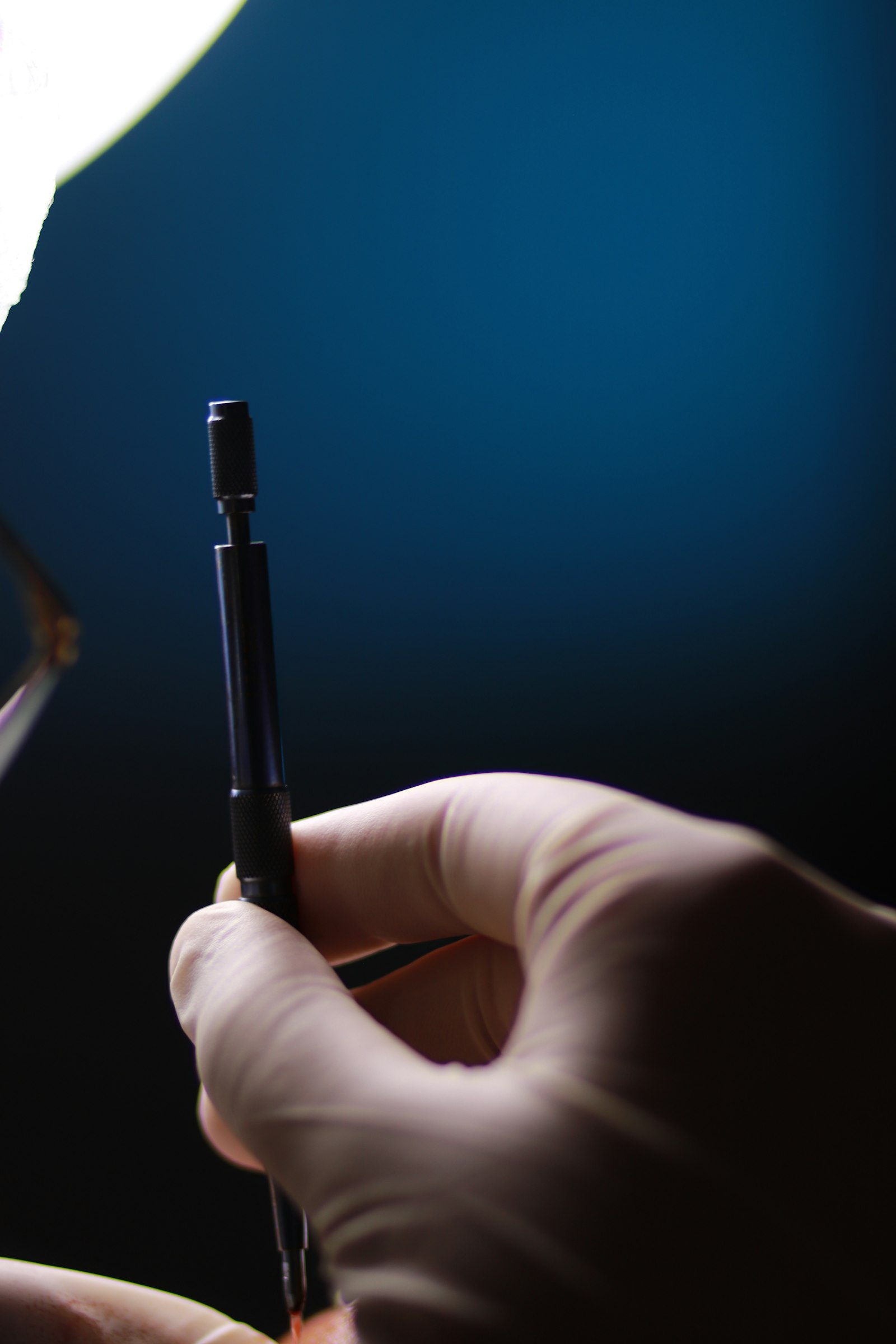
Locking Plate Fixation in Complex Hand Fractures: Technique Notes
5 August 2026 · Surgeons & Fellows
Locking plate systems changed the calculus for fixation of comminuted and periarticular hand fractures by providing angular stability independent of bone quality at the screw–plate interface. These notes summarise practical considerations rather than a full technique guide.
Indications favouring locking fixation
- Comminuted metacarpal and phalangeal shaft fractures where conventional compression plating cannot achieve stable purchase in all fragments
- Periarticular fractures requiring a fixed-angle construct to resist collapse
- Osteopenic bone, where locking screws reduce reliance on screw-thread purchase in cortical bone alone
Exposure and soft-tissue considerations
Dorsal approaches remain standard for most metacarpal and proximal phalanx fractures. Extensor mechanism handling is the primary determinant of post-operative stiffness risk — meticulous longitudinal splitting or subperiosteal elevation, and early protected motion, matter more to outcome than plate selection itself.
Plate application principles
- Provisional fixation with K-wires to restore length, rotation and angulation before definitive plate application
- Bridge plating for highly comminuted segments where anatomic reduction of every fragment is neither feasible nor necessary — restoring overall alignment and length takes priority
- Low-profile plate selection in the hand is a real constraint on extensor gliding; plate contouring and screw trajectory should account for tendon excursion, not just bone fit
Common pitfalls
- Over-instrumentation of simple fracture patterns that would do well with less rigid fixation and earlier motion
- Rotational malalignment — easy to miss intra-operatively without a tenodesis check or comparison to the uninjured hand
- Underestimating the impact of hardware prominence on extensor tendon irritation, particularly at the proximal phalanx
Post-operative protocol
Early protected active motion, guided by a hand therapist, generally begins within the first 1–2 weeks when fixation is sufficiently stable — this is often the deciding factor in choosing rigid fixation over a more conservative construct in the first place.